
EVENT: New Book Release – The Taste Of Rain

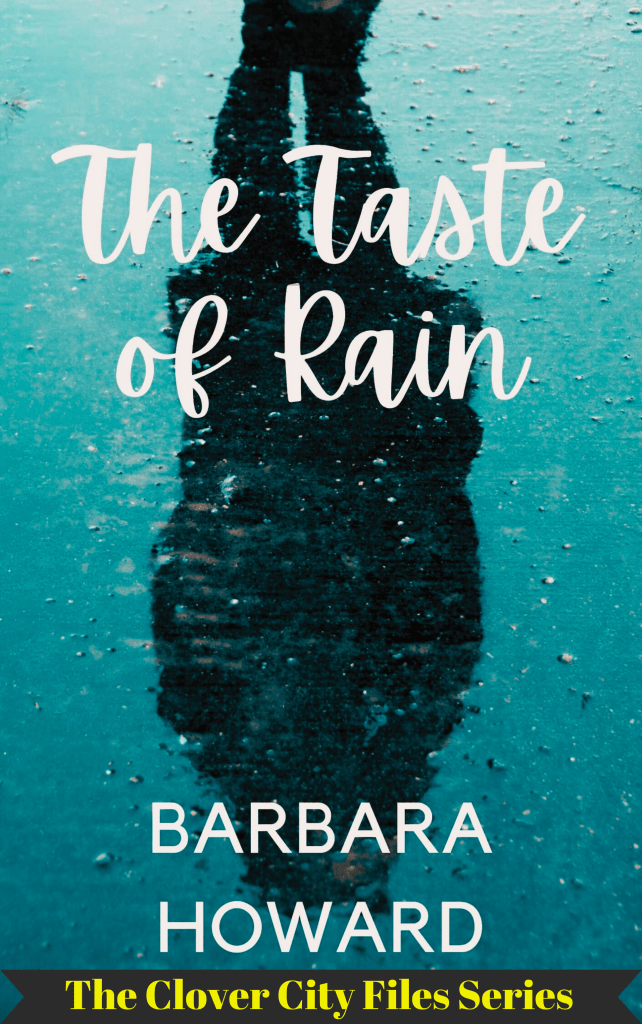
The Taste of Rain by Barbara Howard

Release Date: June 6, 2023

PURCHASE ON AMAZON

ADDITIONAL RETAIL STORES

SHORT DESCRIPTION:

College student and part-time health aide, Amira Connors, wants nothing more than to graduate and successfully launch a non-profit with her latest crush, Attorney Darius Browne. But when a nursing home patient (Claire Stewart) shares shocking details surrounding her husband’s death, Amira pieces together the fractured memories and helps law enforcement identify the actual killer. But is he? Or have Claire’s ramblings entangled Amira into becoming the next target?

LONG DESCRIPTION:

In “The Taste of Rain”, we follow the story of Amira, a college student who works part-time as a health aide at a local nursing home. One day, she meets an elderly resident, Claire Stewart, who confides in her that her husband was killed years ago, but nobody believed her.

Amira is hesitant to believe Claire at first, but as she gets to know her better, she realizes that there might be some truth to her story. Amira decides to investigate the case and help Claire find the killer.

She must navigate through the complexities of the past and present to find the truth and bring justice for Claire.

Along the way, Amira faces challenges both personally and professionally. She must balance her college studies with her part-time job and her investigation. She also learns to confront her own biases and assumptions about aging and the elderly.

“The Taste of Rain” is a mystery that explores the themes of trust, aging, and justice. It is a heartwarming tale of the unlikely friendship between a young college student and an elderly resident, as they work together to uncover the truth, and solve a decades-old murder.


THE OPENING SCENE READ BY THE AUTHOR
THE TASTE OF RAIN BOOK TRAILER

How Can I Improve My Fiction Writing Style?

For authors of all skill levels, improving one’s fiction writing style is a common objective. There are a number of techniques that might aid authors in honing their craft and creating a distinctive voice and style that connects with readers. Reading broadly and critically while studying the works of successful authors and examining their methods and approaches is one efficient strategy. This can assist authors in seeing patterns and trends in their own writing and incorporating ideas from successful pieces into their own.

Regular writing practice is another key tactic. Try out several approaches and styles to see which feels most comfortable and efficient. This might entail experimenting with multiple points of view, voice and tone, sentence structure, and word choice. Obtaining input from others—whether through critique groups, beta readers, or professional editors—allows authors to gain perspective and spot places where their work may be improved. Writers may create a compelling and unique style that distinguishes them from other authors that stands out and draws readers in.

How Can I Effectively Use Symbolism In My Writing?

Symbolism is a potent tool that authors may employ to give their writing depth and complexity. Symbols, or things, activities, or pictures that stand in for abstract ideas or concepts are a powerful and nuanced means for authors to express meaning.

It’s crucial to pick symbols that have significance and are pertinent to your tale if you want to employ symbolism successfully. These symbols should be integrated into the story naturally and tied to the ideas and messages of your work. Avoid using symbolism in an overt or heavy-handed manner; instead, use it to set the mood or heighten the intensity of a scene’s emotional impact. Effective use of symbolism may add layers of significance to your writing and interest readers on a deeper level.

Remember that symbolism can be an effective tool, but it should never take away from the story you are trying to tell. The symbols you use should always serve the narrative and should never be used just for the sake of using them. Use symbolism with a thoughtful and deliberate approach. Symbolism may bring richness and depth to your work, making the experience richer and more satisfying for both you and your readers.

How Do I Write Effective Descriptions Of Emotions?

Create a vivid image of the emotional experience by first using precise sensory elements. Describe the bodily symptoms of a character’s emotions rather than just saying they are unhappy. Consider describing the character’s sobs, their weak breathing, or the weight on their chest. You may let the reader experience the feeling alongside the character by providing real information.

Second, demonstrate how the emotion impacts the character’s ideas and deeds. Since they frequently trigger certain acts or ways of thinking, emotions are not only passive sensations. A furious character could tighten their fists, shout loudly, or have violent thoughts, for instance. You may make a more realistic story by demonstrating how the emotion affects the character’s actions.

Overall, effective descriptions of emotions require a combination of sensory details and behavioral cues to create a vivid and compelling portrayal of the character’s inner experience.

How Do I Handle Time Jumps In My Writing?

Time jumps can be a useful tool in storytelling, allowing writers to advance the plot or reveal important information in a non-linear fashion. However, they can also be confusing for readers if not handled properly. One way to manage time jumps is to provide clear markers to indicate the change in time. This can be done through the use of chapter breaks, section headers, or even just a clear indication in the text, such as “three years later.” Additionally, it can be helpful to provide some context for the time jump, such as a brief summary of what has happened in the intervening time period, to help readers understand how the story has progressed.

Another way to handle time jumps is to use them sparingly and purposefully. While time jumps can be an effective storytelling tool, overusing them can be jarring for readers and disrupt the flow of the narrative. It is important to consider whether a time jump is truly necessary for the story or if there are other ways to convey the information or advance the plot in a more linear fashion. By being intentional and deliberate in the use of time jumps, writers can ensure that they enhance the story rather than detracting from it.

How Do I Handle Sensitive Topics In My Writing?

Writing about sensitive topics requires thoughtful consideration and careful handling to ensure that your message is conveyed with sensitivity and respect. Whether you’re addressing controversial issues, personal experiences, or emotionally charged topics, here are some tips on how to effectively handle sensitive topics in your writing.

  1. Research and Understand the Topic: Before writing about a sensitive topic, it’s crucial to thoroughly research and understand the facts, history, and context surrounding the issue. Seek information from reputable sources and strive to present a balanced and nuanced view. Avoid making sweeping generalizations or assumptions, and ensure that your writing is accurate, factual, and transparent.
  2. Mind Your Language and Tone: The language you use in your writing can greatly impact how your message is received. Choose your words carefully and be mindful of their connotations. Avoid using inflammatory or derogatory language that can escalate tensions or offend readers. Instead, use neutral and respectful language that acknowledges the sensitivity of the topic. Consider your tone as well, and strive to strike a balance between being empathetic and informative. Avoid being overly emotional or biased, and present your ideas in a calm, reasoned, and respectful manner.
  3. Consider the Potential Impact on Readers: Sensitive topics can evoke strong emotions and reactions in readers, so it’s important to be mindful of the potential impact your writing may have on them. Consider how your words may be received by different audiences, especially those who may have personal experiences or strong opinions about the topic. Show empathy and understanding towards different perspectives, and avoid dismissive or confrontational language. Be open to feedback and be prepared to engage in respectful discussions with readers who may have differing opinions.
  4. Be Aware of Your Biases: We all have our own biases and perspectives that can influence our writing. It’s important to be aware of your own biases and strive to present a balanced and objective view of the sensitive topic. Acknowledge your own positionality and be transparent about your biases, if applicable. Strive to be fair, impartial, and objective in your writing, and avoid favoring one perspective over another.

How Do I Create A Satisfying Ending To My Novel?

Photo by Geovana Nogueira on Pexels.com

The ending of a novel is arguably the most important part of the story. It’s the final impression readers will have, and it’s what they’ll remember long after they finish reading. Creating a satisfying ending takes careful planning and execution. First and foremost, you need to ensure that the ending is consistent with the rest of the story. It should tie up any loose ends and bring resolution to the conflicts introduced throughout the narrative.

Another crucial aspect to consider is emotional resonance. A satisfying ending should evoke an emotional response from the reader, whether it’s happiness, sadness, or a sense of catharsis. To achieve this, you may want to revisit the themes introduced earlier in the story and make sure they’re reflected in the resolution. Additionally, you could consider incorporating a twist or surprise that adds an extra layer of complexity and satisfaction for readers. Ultimately, a satisfying ending will leave readers feeling satisfied, and that they’ve experienced a complete and fulfilling story.

How To Write Convincing Romance Scenes

Photo by Edward Eyer on Pexels.com

Writing convincing romance scenes can be a challenging task, as it requires the author to create an emotional connection between the characters that feels genuine and believable. One key element to keep in mind is to establish chemistry between the characters early on in the story. This can be done through small gestures, such as lingering eye contact, a touch on the arm, or a moment of shared laughter. By building a strong foundation of attraction and tension, the romance scenes will feel more authentic and impactful.

Another important aspect of writing convincing romance scenes is to focus on the emotional journey of the characters. It’s not enough to simply describe physical actions and gestures; the reader should be able to feel the emotional depth of the characters and their relationship. This can be achieved by incorporating internal monologues that reveal the characters’ thoughts and feelings, as well as incorporating conflict and obstacles that the characters must overcome in order to be together. By creating a strong emotional connection between the characters and the reader, the romance scenes will be more powerful and convincing.

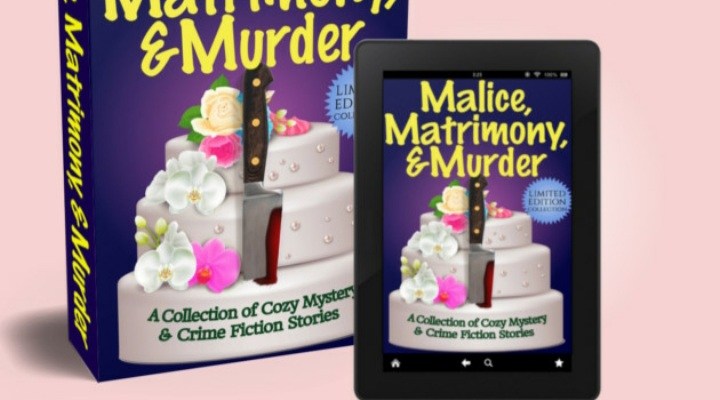
New Crime Fiction Anthology – Malice, Matrimony, and Murder

I’m thrilled to announce that I have a new short story coming out this year. It will be included with the Malice, Matrimony, and Murder anthology along with a bunch of other brand-new cozy mystery and cozy crime fiction stories written by my author friends.

The anthology will be starting off as a Kickstarter campaign, and I’d love to invite you to back it. Why would you want to? First, you will have early access to the anthology, which won’t publish until late this year. But Kickstarter backers will receive the ebook version at least two months prior to its public release. These are all brand-new stories, so you won’t be able to find them this early anywhere else.

Second, the Kickstarter gives you access to a bunch of extras, like a chance to have your name included in the book’s Acknowledgments section, and an exclusive guide to help you solve the overarching Wedding Whodunit woven throughout the anthology. You could also choose to have one of the Wedding Whodunit characters named after you or a loved one! These rewards won’t be available to anyone besides our Kickstarter backers.

Third, you’ll get to be a part of our publishing process. The Kickstarter not only comes with rewards for you, but for me and my fellow authors as well. A successful campaign will make it possible for us to publish a paperback version of the anthology and to pursue some advertising opportunities to help connect us with new readers.

So how do you support the campaign? It’s easy! Visit our Kickstarter page and click “Notify me on launch” so you’ll be informed when our campaign goes live in May. You may need to set up a free Kickstarter account if you don’t have one already, and clicking that “Notify” button in no way obligates you to anything. All it means is you’ll receive an email when our campaign launches. Since this opportunity will only be available for a limited time and once the Kickstarter is over so is access to all of the campaign extras, this will just help to make sure you don’t miss out. You can decide whether you’re truly interested in backing the campaign once it’s live and you can see all of the details for yourself.

Thank you for your interest and support! I’m excited for you to be a part of this journey with me.