Foreshadowing is important in your story since it gives it depth and suspense. With that small poke, readers receive a taste of what’s to come, whetting their hunger for more. So how can you become an expert at foreshadowing?
Consider foreshadowing at first as a trail of crumbs. Readers gladly follow the intriguing, covert cues you provide along the way, like breadcrumbs. Drop hints that will later be related to important narrative twists or revelations early on in your novel. These clues might be a character’s mysterious past or a seemingly unimportant item that becomes crucial as the plot progresses. The secret is to make careful, rational decisions.
Second, think about the genre and tone of your work. The environment you’ve established should be effortlessly incorporated into any foreshadowing. While it could take on a more menacing tone in a dark thriller, it might entail charming, unobtrusive clues in a cozy mystery. To make your foreshadowing seem like a natural part of the plot, stay loyal to the tone of your story.
Last but not least, keep in mind that foreshadowing is a craft that frequently manifests itself during edits. You’ll find opportunities to improve your foreshadowing as you edit your book. Be flexible in order to improve your storytelling. When used skillfully, foreshadowing may transform your story into a thrilling quest for knowledge that will leave your readers wanting to learn the mysteries you have weaved into your plot.


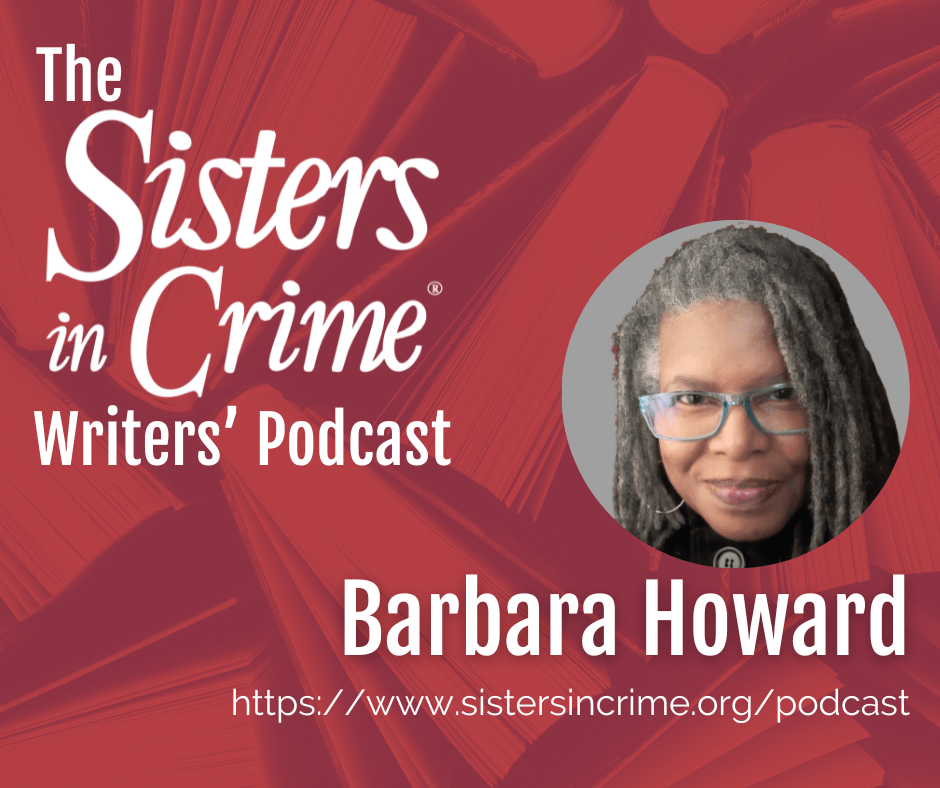








 Barbara Howard - Author